23 April 2026. In response to RTÉ Primetime Investigates programme – Inside the Care System – Barnardos children’s charity is calling on the Government, the Department of Children Disability & Equality and Tusla to put forward an action-oriented plan with clear timelines that sets out exactly how and when the use of Special Emergency Arrangements (SEAs) will end. The children’s charity has long said that the alternative care system is in crisis with a national shortage of foster and residential placements for babies, children and young people.
Barnardos Guardians ad Litem see first-hand the unsuitability of these placements and the impact on children.
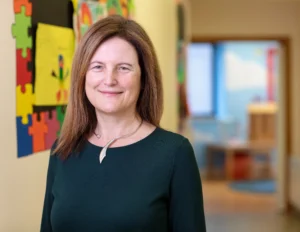
Monica Hynds O’Flanagan, Barnardos Director of the Guardian ad Litem service said: “We want to commend the young people for sharing their experiences with RTÉ to bring this crisis to life for viewers and highlighting the need for urgent phasing out of SEAs.
“The phase out plan needs to include intensive family supports that will reduce the number of children coming into care, and also support children to be returned home where possible. The for profit provision of unregulated and under qualified care placements is not working.
“We need to increase the number of foster carers available as well as regulated residential placements, and ensure that children in care have ongoing access to therapeutic supports to improve their wellbeing, support their placement, and reduce placement breakdown.
“The Government needs to step in and adequately fund Tusla’s special care strategy as a matter of urgency to ensure that young people are not exposed to the level of risk demonstrated in the programme.
“The programme also highlighted what happens to young people who do not fit the current criteria for after care supports, these are the most vulnerable young people leaving care and there needs to be cross departmental and multi-agency approach to their accommodation and support needs.
“In 2023 Barnardos set out a number of essential actions that needed to be implemented urgently such as the immediate improvement in the quality of the accommodation used, qualifications of staff and the regular and independent inspection of Special Emergency Arrangements.
“This programme demonstrates that little if any progress has been made.
“It is fully recognised that there will always be times when an emergency arises and we want to avoid a return to children needing to stay overnight in a Garda Station and to phase out the current use of hospitals for children who don’t need medical care. We also recognise the impact of global events such as the Ukraine war, that are hard to plan for and put strain on the care system. However it is possible to predict with some certainty the number of children who may require care and to plan adequately for their needs.
“In the long term, emergency arrangements that meet the needs of children and that provide quality services are essential, as is the support of and investment in the staff who care for them.
“Barnardos welcomes the work of the Department of Children Disability & Equality on the first alternative care strategy. It is hoped this strategy will lead to the development of a well resourced, robust system of supports that prevent children coming into care and that deliver high quality care to those children who need it.”
ENDS
Notes to Editors:
For further information, please contact:
Barnardos Press Office: 086 044 5966
Email: [email protected]
Facebook: barnardosireland
Instagram: @barnardos_irl
LinkedIn: @Barnardos Ireland